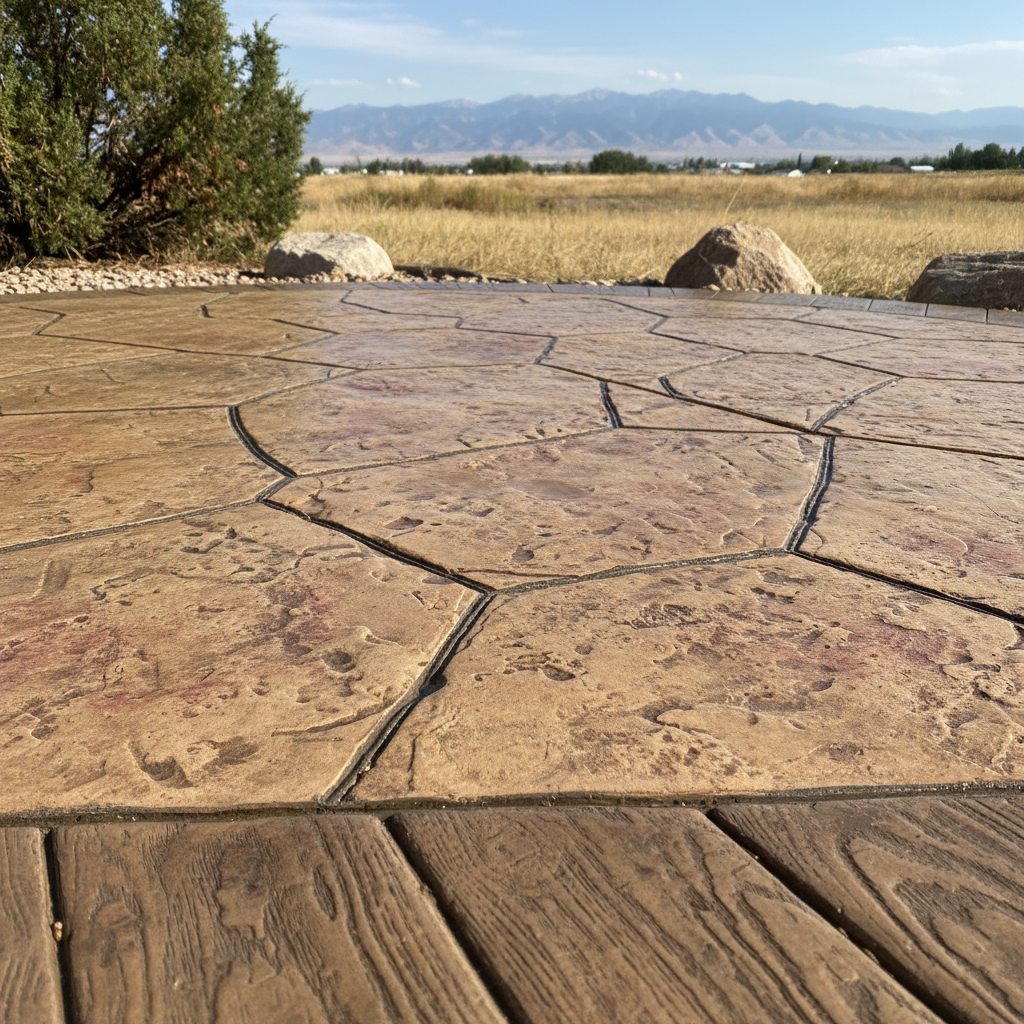
So, you're thinking about decorative concrete for your place. Good call! It's a fantastic way to add some serious curb appeal and value to your home, whether you're looking at a new patio, a refreshed driveway, or even an indoor floor. But before you jump in, there are a few things you really need to understand. It's not just pouring concrete and calling it a day; there's a lot more to it than that.
Before You Start: Planning and Design
First off, let's talk about what you actually want. Decorative concrete isn't just stamped concrete, though that's probably the most popular option folks ask about. You've got stained concrete, polished concrete, exposed aggregate, and even colored concrete. Each one gives a different look and feel, and they all have their own processes and things to consider. Think about your home's style, the surrounding landscape, and how much foot (or car) traffic the area will see. A rustic, stamped wood plank look might be perfect for a backyard patio in the Foothills, but maybe not for a sleek, modern entryway, right?
This is where you really need to decide if you're going to tackle it yourself or call in a pro. For simple colored concrete, where you're just adding a pigment to the mix, a very handy homeowner might be able to handle a small, non-structural slab. But for anything involving stamping, intricate patterns, multiple colors, or acid staining, you're almost always better off with someone who does this day in and day out. Getting the stamp pattern just right, making sure the release agent goes on properly, and achieving a consistent color across a big slab takes practice and specialized tools. Messing up a stamped patio means you've got a permanent, expensive mistake staring back at you. And nobody wants that.
During the Project: Execution and Expectations
If you're going the DIY route for something like a basic color or a simple broom finish, make sure you've got all your materials and tools ready to go. Concrete waits for no one, and once it starts setting, you're on the clock. You'll need good forms, a solid sub-base (especially important in Ogden's clay soils, which can shift quite a bit), and a plan for how you're going to get the concrete delivered and placed. If you're mixing bags yourself, prepare for a lot of hard work and make sure you're consistent with your water-to-cement ratio – too much water weakens the concrete and can mess with your color, too.
When you hire a pro, like us at Sunrise Concrete, we handle all that stuff. We'll make sure the base is prepped right, the forms are perfect, and the pour goes smoothly. For decorative work, timing is absolutely everything. The concrete has to be at just the right consistency for stamping or applying stains. Too wet, and the stamps sink too deep; too dry, and they won't make a clean impression. A good crew knows these nuances. We're also watching the weather. A sudden downpour can ruin a freshly poured decorative slab, and strong sun can make it set too fast. We plan for that, believe me.
After the Concrete is Down: Curing and Sealing
Once the decorative concrete is in place, the work isn't over. Curing is probably the most overlooked but crucial step. Concrete doesn't just dry; it cures, which is a chemical process that makes it strong. You need to keep it moist for at least 7 days, sometimes longer depending on the mix and the weather. This means covering it with plastic, or using a curing compound. Don't walk on it for at least 24-48 hours, and keep heavy traffic off it for a week or more. Rushing this step leads to weaker concrete that's more prone to cracking and spalling, and who needs that?
For decorative concrete, sealing is non-negotiable. A good quality sealer protects your investment from stains, UV damage (which can fade colors), and general wear and tear. It also enhances the color and gives it that finished look. You'll want to reapply sealer every 2-5 years, depending on the type of sealer and how much abuse the surface takes. For stamped concrete, especially, the sealer helps protect those intricate patterns. It's a simple maintenance step that makes a huge difference in the longevity and appearance of your decorative concrete.
So, there you have it. Decorative concrete is awesome, but it's not a set-it-and-forget-it deal. Plan smart, know your limits for DIY, and always prioritize proper curing and sealing. Do it right, and you'll have a beautiful, durable surface that'll make your Ogden home stand out for years to come.