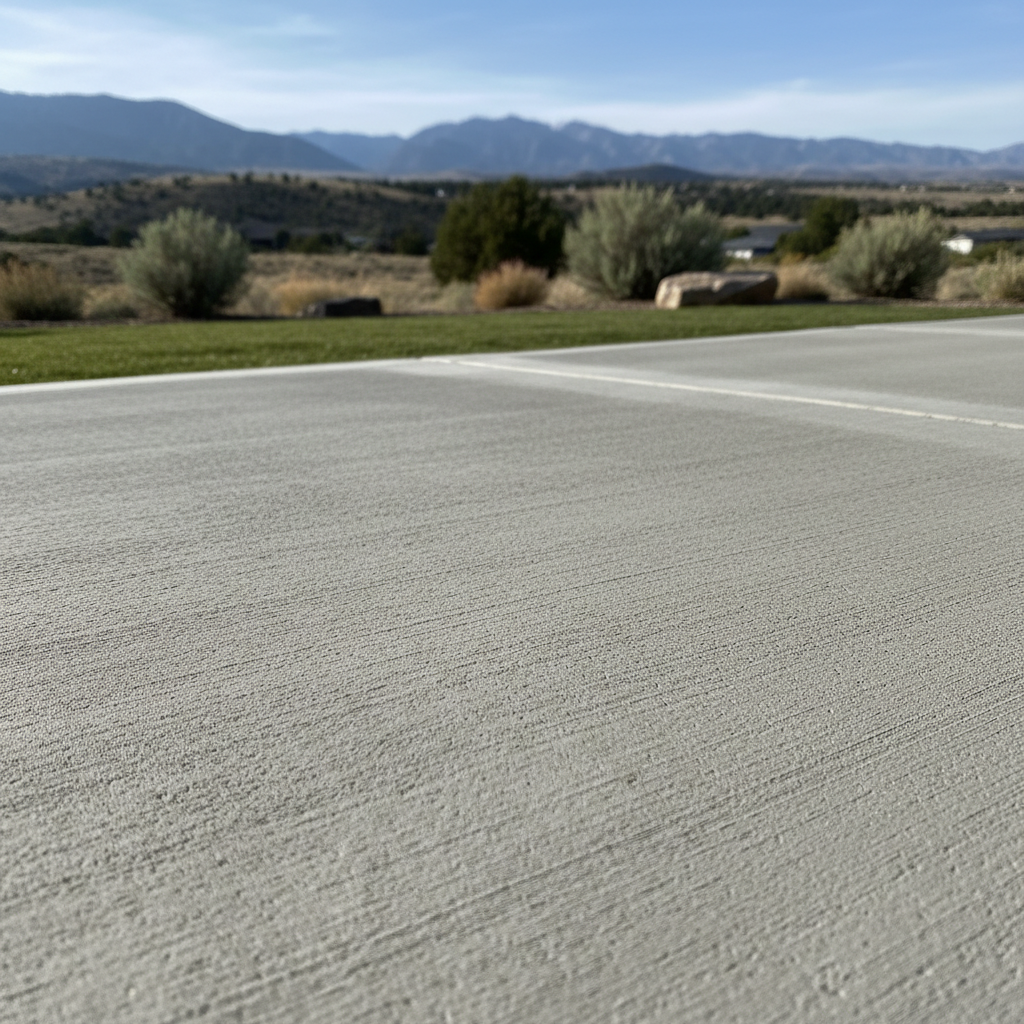
Got a concrete flatwork project on your mind? Maybe you're dreaming of a new patio, a wider driveway, or a fresh walkway around the house. It's a common thought for homeowners, and a lot of folks wonder if they can just pour it themselves and save a few bucks. Here's the deal with concrete flatwork – what you can realistically tackle and when you absolutely should call in the experts.
Before You Even Think About Mixing
First things first, planning is everything. You can definitely handle a lot of the "before" work yourself. This means figuring out exactly what you want, where it's going, and how big it'll be. Grab a tape measure, sketch it out. Think about drainage – you don't want water pooling against your foundation, especially with our heavy spring snowmelt here in Ogden. A slight slope away from the house is crucial, right?
You'll also need to check local regulations. Permitting might be required for larger projects, or if you're changing your property's footprint significantly. A quick call to Ogden City's planning department can save you a huge headache down the road. Don't skip this step; fines are no fun.
The DIY Zone: Small Stuff
So, what can you actually DIY? Small, non-structural concrete pads are often doable for the ambitious homeowner. Think a small AC unit pad, a base for a shed, or maybe a stepping stone path. We're talking projects that are maybe 4x4 feet or smaller, and not critical to your home's structure or drainage. For these, you can:
- Excavate: Dig out the area to the right depth. Make sure you're below the frost line if it's going to be permanent, which is important with our cold winters.
- Forming: Build a simple wooden frame for your pour. Keep it level and square.
- Base Prep: Lay down and compact gravel. This is key for drainage and preventing cracks. You can rent a plate compactor for this.
- Mixing & Pouring: For really small jobs, you can mix bags of concrete yourself. For anything bigger than a wheelbarrow full, you'll want to rent a mixer.
- Finishing: This is where it gets tricky. A basic float finish is achievable, but it takes practice.
If you're comfortable with manual labor, precise measurements, and don't mind a bit of a learning curve, these small projects can be a good way to save some money and get some satisfaction.
When to Call a Pro (Most of the Time)
Now, for the vast majority of concrete flatwork – driveways, large patios, sidewalks, garage floors, anything structural, or anything that needs to look really good – you need a professional. Seriously. Here's why:
- Excavation & Grading: Proper grading isn't just about digging a hole. It's about ensuring correct water runoff and a stable base. Pros have the equipment and expertise to do this right, especially when dealing with the varied soil conditions we have, from sandy loam near the mountains to more clay-heavy areas.
- Reinforcement: Rebar or wire mesh is often essential for strength and crack prevention, especially for driveways that will bear vehicle weight. Knowing how to place it correctly is crucial.
- The Pour Itself: Concrete is heavy, it sets fast, and it's unforgiving. Getting a truckload of concrete delivered means you have a very limited window to pour, level, and finish it. This isn't a one-person job; it requires a crew working in sync.
- Finishing: A professional finish – whether it's a smooth trowel, broom finish, or something decorative – takes skill, specialized tools, and years of experience. A bad finish not only looks terrible but can also affect durability and traction.
- Tools & Equipment: Pros have everything from power screeds to bull floats, edgers, and specialized trowels. Renting all this gear for a one-off job can be expensive, and you still need to know how to use it.
- Experience with Issues: What if the weather changes suddenly? What if the concrete starts setting too fast? Professionals know how to adapt and troubleshoot on the fly.
At Sunrise Concrete, we've seen plenty of DIY attempts that ended up costing more to fix than if the homeowner had just hired a pro in the first place. Concrete isn't like painting a wall; mistakes are permanent and expensive to rectify. Trust us on this one.
After the Pour: Curing & Care
Whether you DIY a small pad or hire us for a big project, curing is critical. Concrete doesn't just dry; it cures, which is a chemical process that strengthens it. Keep it moist for at least 3-7 days after the pour. You can use curing compounds, wet burlap, or even just a sprinkler on a mist setting. Don't drive or put heavy weight on it too soon – wait at least a week for foot traffic and 28 days for vehicles.
For bigger projects, especially driveways or large patios, you'll be glad you called in the experts. It's an investment that adds value and curb appeal to your home, and you want it done right the first time.