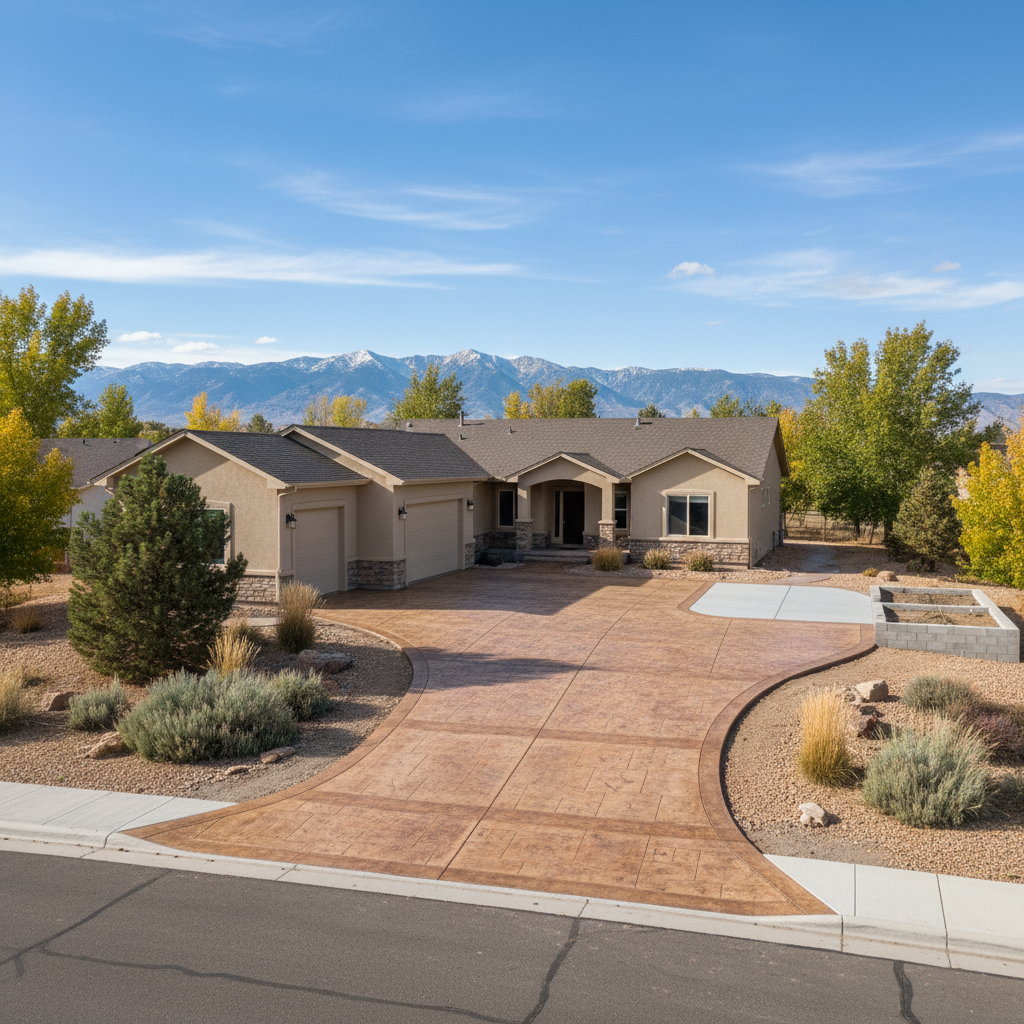
So, you're thinking about a new concrete project around your Ogden home. Maybe it's a new patio for those summer barbecues, a fresh driveway, or some sturdy walkways. That's a great investment, sure, but it's not something you just wake up and decide to do tomorrow. Planning is absolutely key if you want it done right, on time, and without costing you an arm and a leg later on.
I've seen a lot of concrete projects over the years, good ones and bad ones. The good ones almost always start with solid planning. The bad ones? Well, they usually skip this part entirely. Let's walk through what you really need to think about before you even pick up the phone to call a contractor.
Your Project Timeline: What to Expect
People often underestimate how long a concrete project actually takes from start to finish. It's not just the pouring day, you know; there's a whole lot before and after. Here's a rough breakdown:
- Initial Research & Contractor Calls (2-4 weeks): You'll want to get a few quotes, check references, and make sure you're talking to reputable folks. Don't rush this part.
- Permits (1-4 weeks, or even more): Depending on the size and type of your project, you might need a permit from Ogden City. This isn't always a quick process. Your contractor should help you figure this out and usually handle the application, but it's on you to make sure it gets done.
- Scheduling (1-8 weeks out): Good contractors, especially during busy seasons (spring through fall here in Ogden), are booked up. You won't get them next week, believe me. Plan for a wait.
- Pre-pour Prep (1-3 days): This involves excavation, grading, form-setting, and placing rebar or mesh. It all happens right before the pour.
- The Pour Itself (1 day): This is the big day! It's usually quick and intense.
- Curing (7-28 days): This is the most important part for strength. You can't drive on it or put heavy furniture on it right away. We're talking weeks, not days, for full strength. Don't let anyone tell you otherwise.
- Sealing (After full cure): To protect your investment, especially from our harsh Ogden winters and those freeze-thaw cycles we get, you'll want to seal it. This typically happens once it's fully cured.
So, from your first call to being able to fully use your new concrete, you're looking at anywhere from 2 to 4 months, easily. Don't plan a big backyard party on your new patio for next month if you haven't even called anyone yet.
What Happens During the Concrete Installation Process
Once you've picked a contractor and scheduled the work, here's what you'll typically see happening on your property:
- Site Preparation: This means clearing the area, removing old concrete, dirt, or debris. Then, we'll excavate to the right depth and grade the area so water drains properly. This is crucial, especially with our clay soils in some parts of Ogden. You certainly don't want water pooling against your foundation.
- Formwork: We'll set up forms, usually wood or metal, to create the exact shape and size of your concrete slab. These forms hold the wet concrete in place.
- Sub-base Installation: Often, a layer of gravel or crushed rock is laid down and compacted. This provides a stable, well-draining base for the concrete.
- Reinforcement: Rebar (steel reinforcing bars) or wire mesh is placed within the forms. This adds strength and helps prevent cracking. Don't skimp on this part.
- Pouring the Concrete: The concrete truck arrives, and the crew gets to work. This is a fast-paced operation. We'll pour the concrete into the forms, spread it evenly, and then start the finishing process.
- Finishing: This involves screeding (leveling the surface), floating (smoothing it out), and then troweling (creating a dense, hard surface). If you're getting stamped or decorative concrete, that happens during this stage too. Control joints are also cut into the concrete to help manage where cracks might occur.
- Curing: After the concrete is poured and finished, it needs to cure. This isn't just about drying; it's a chemical process that hardens the concrete. We'll often spray a curing compound or cover it to keep it from drying out too fast, which can actually weaken it.
How to Prepare Your Property for the Crew
You can make things a lot easier for the crew, and yourself, by doing a little prep work:
- Clear the Area: Move any outdoor furniture, potted plants, grills, toys, or anything else out of the work zone. This includes anything that might be in the path of equipment or wheelbarrows.
- Mark Utilities: Call 811 before any digging starts! It's the law, and it prevents serious accidents. Mark out any sprinkler heads, low-voltage lighting, or buried dog fences you know about. Tell your contractor where they are.
- Access: Make sure there's a clear path for trucks and equipment to get to the work area. If we need to get a concrete truck close, make sure no cars are blocking the driveway or street.
- Pets & Kids: Keep them safely away from the work area. Wet concrete isn't good for paws or curious hands, and heavy equipment is dangerous.
- Water Access: We'll need access to an outdoor water spigot.
Questions to Ask Before Signing a Contract
This is where you protect yourself. Don't be afraid to ask tough questions. Any good contractor, like us at Sunrise Concrete, will appreciate you being thorough.
- Are you licensed and insured? Get proof. Don't just take their word for it. This protects you if something goes wrong.
- Can you provide references? Call them. Ask about communication, timeliness, and if they'd hire them again.
- What's included in the quote? Be specific. Does it include excavation, hauling away old concrete, sub-base, rebar, sealing, and permits? No surprises, please.
- What's the payment schedule? A reputable contractor won't ask for 100% upfront. Expect a deposit, progress payments, and a final payment upon completion.
- How do you handle unforeseen issues? What if we hit a buried pipe? What if the soil conditions are worse than expected? How will that affect the cost and timeline?
- What kind of warranty do you offer? For how long? What does it cover?
- How will you protect my property? Will they lay down plywood to protect your lawn from heavy equipment? Will they clean up thoroughly?
- What's your communication plan? Who's my main point of contact? How often will I get updates?
Asking these questions upfront will save you a lot of headaches and ensure you get a quality concrete job that lasts for years. A little planning goes a long way, especially when you're investing in your home.